
My role Product Designer
The team Self led PM & Product Design + Developers
Location Vancouver, BC Canada – 2023/24
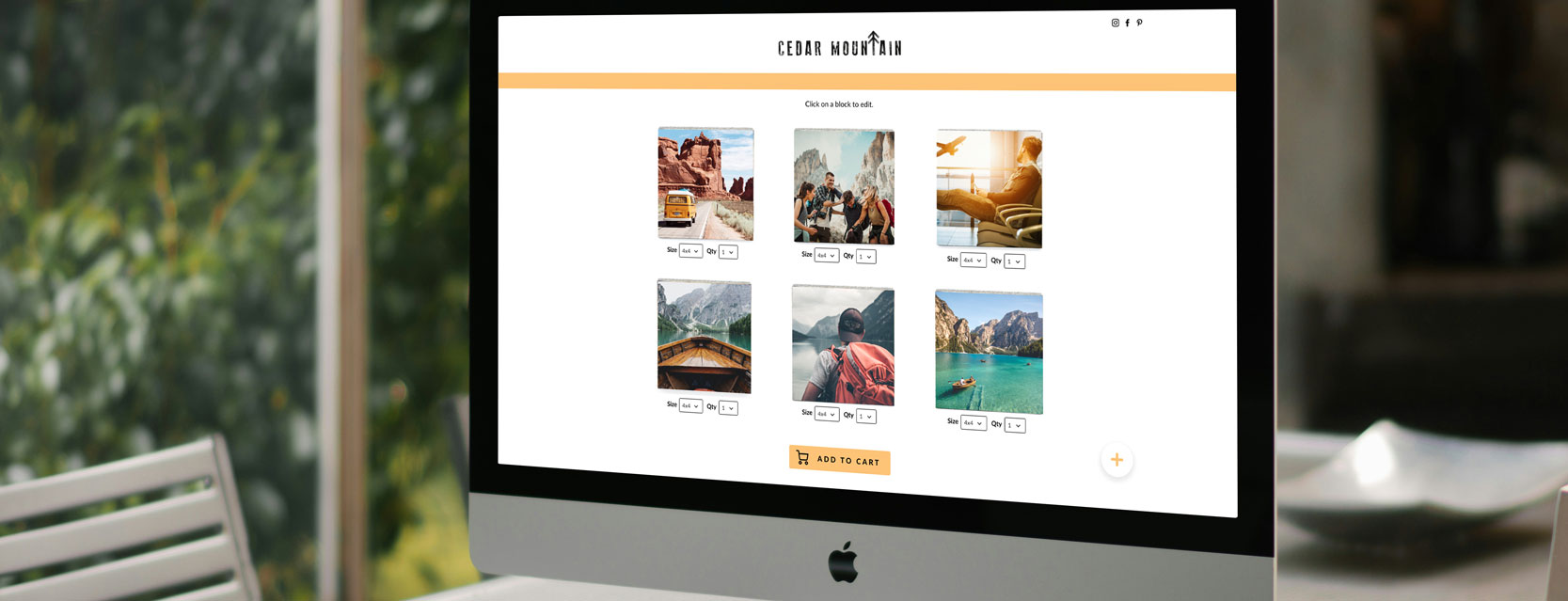
Company & Product Context
Cedar Mountain is a Vancouver-based online boutique whose best-selling product, Wall Block Tiles, relied on a manual customization workflow.
As the sole Product Designer, I led the end-to-end design of a scalable digital builder that replaced a fragmented, email-driven process with a structured, self-serve product configuration experience.
My contribution
Product designer, responsible for discovery, UX strategy, interaction design, visual design, and validation across mobile and web experiences.
The Problem
The existing system required heavy interaction with customer and company; almost hands on interaction for each order. This created operational inefficiencies, increased error risk, and introduced friction across the customer journey. The core issue was structural — not visual. The workflow lacked automation, validation logic, and clear interaction architecture, and quite frankly, extremely painful.
Core issue
Customer’s orders involved:
- Manual follow-up from the internal design team
- Email-based image transfers
- Repeated customer communication for adjustments
- No true online checkout for custom orders
My Approach
Discovery
I mapped the full service blueprint across customer and internal workflows to identify pain points of redundancy, breakdowns, and constraint dependencies. Stakeholder and customer interviews surfaced recurring confusion around file requirements, layout expectations, and order finalization and check-out experience.
Interaction Architecture
Before wire-framing and ideation, I wanted to map out the user journey so that the goals and struggles were laid out appropriately. Instead of digitizing the existing process, I restructured it.
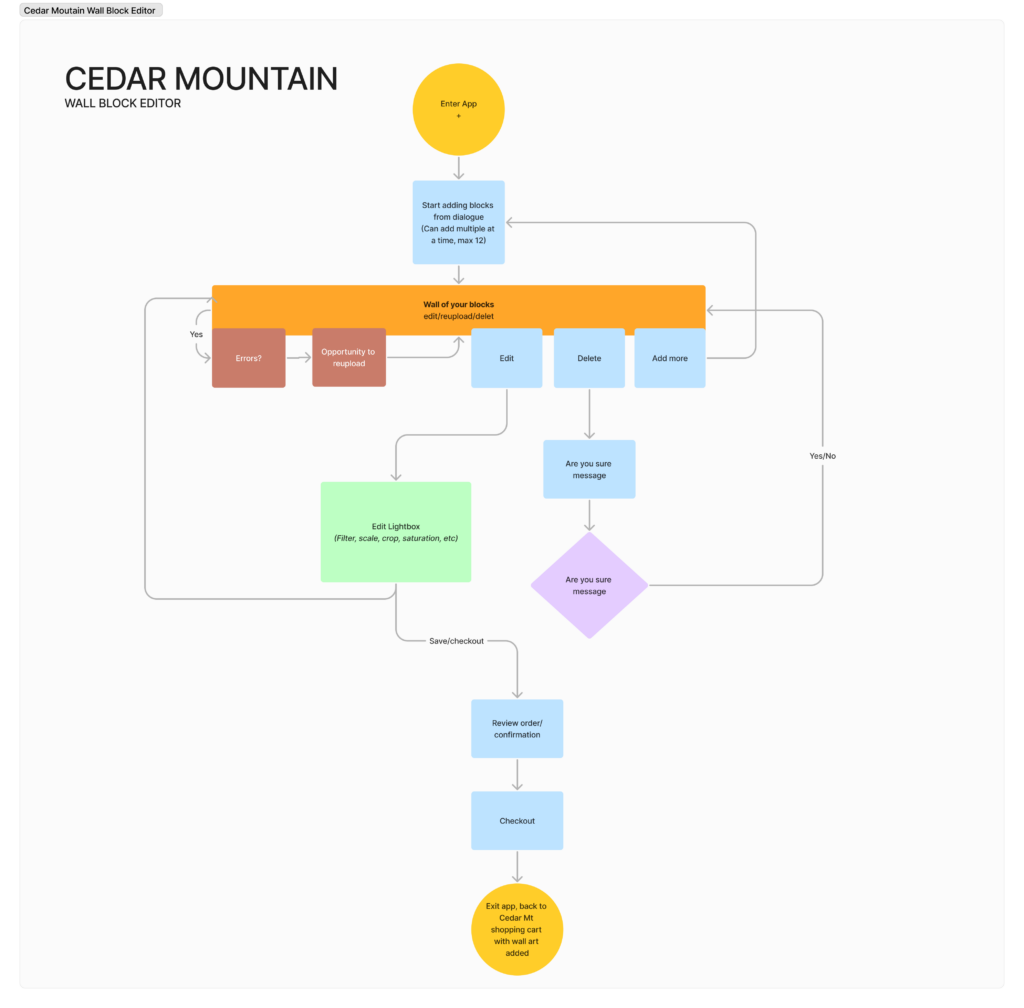
Click thumbnail for full view
Findings & Goal Initiatives
The goal was reducing cognitive load while preserving production accuracy.
Needs
I designed a guided configuration flow that:
- Introduced progressive disclosure for technical inputs
- Applied constraint-based logic to prevent invalid submissions
- Delivered real-time visual feedback
- Embedded validation before checkout
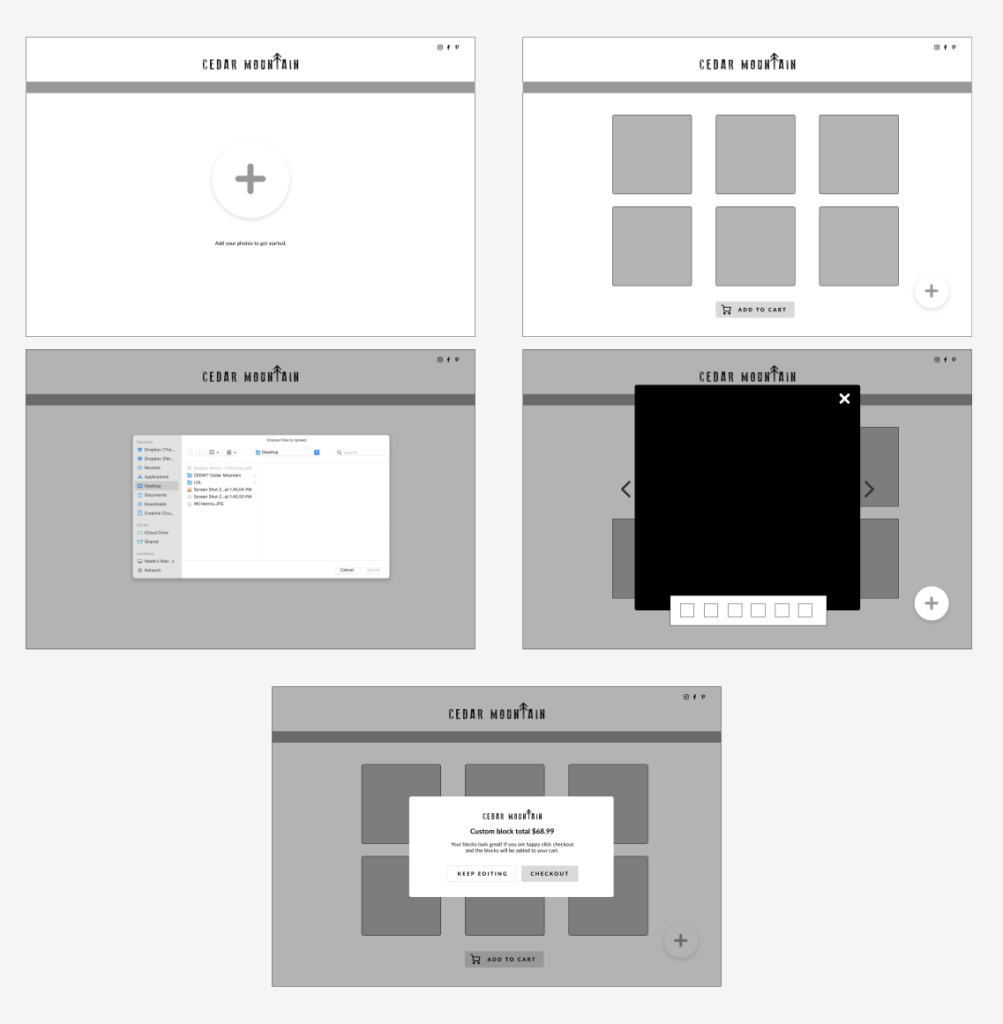
Define & Validate
Wireframing and Testing
Using Figma, I built interactive prototypes to test usability, decision clarity, and user confidence. I validated flows with both customers and internal teams to ensure alignment with manufacturing constraints.
Insights informed a few iteratitive refinements to hierarchy, micro-interactions, and state feedback.
High-Fidelity System Design & Implementation
I developed a clean, brand-aligned UI supported by reusable components and scalable interaction patterns. During handoff, I partnered closely with engineering to maintain UX integrity through implementation.
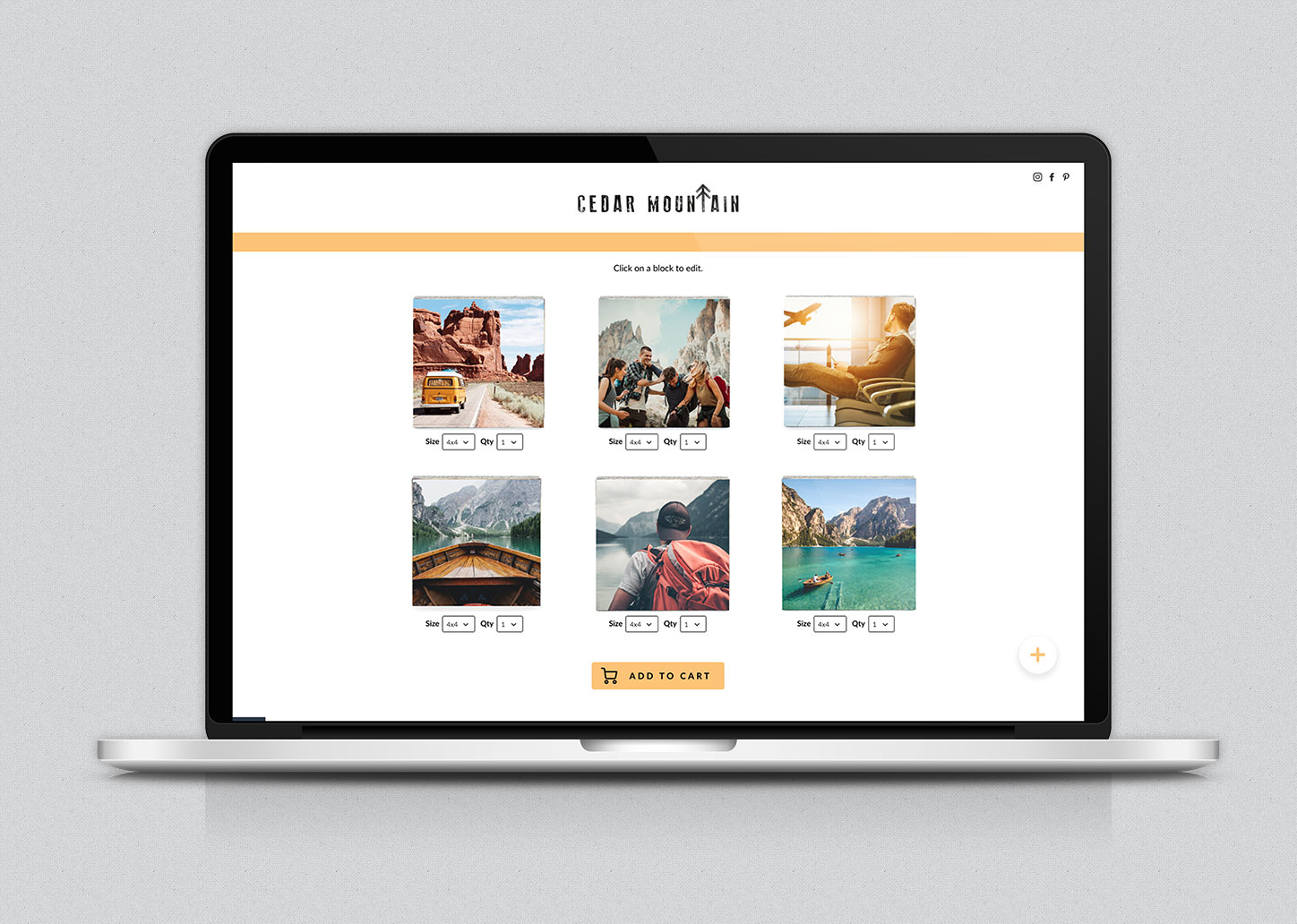
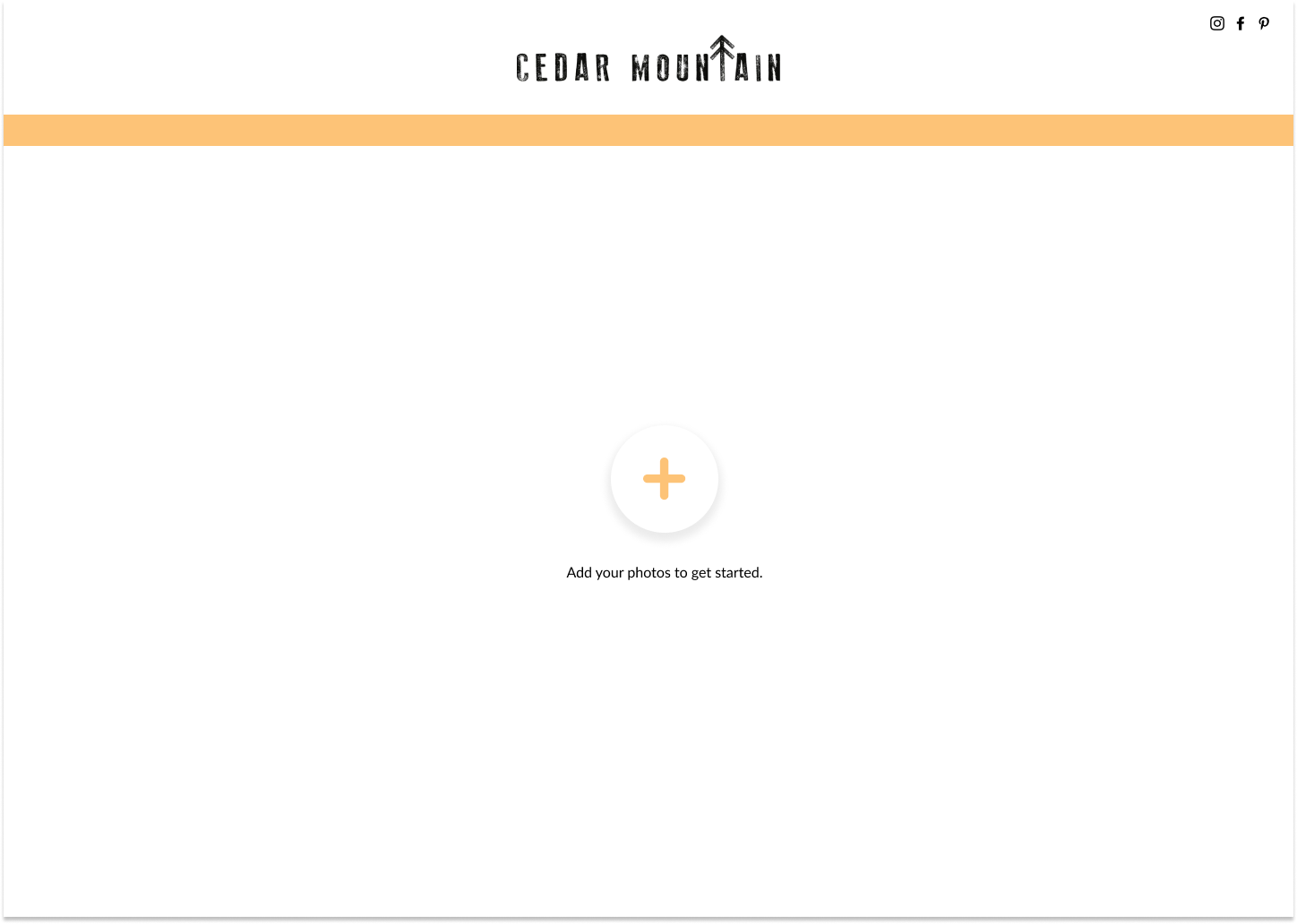
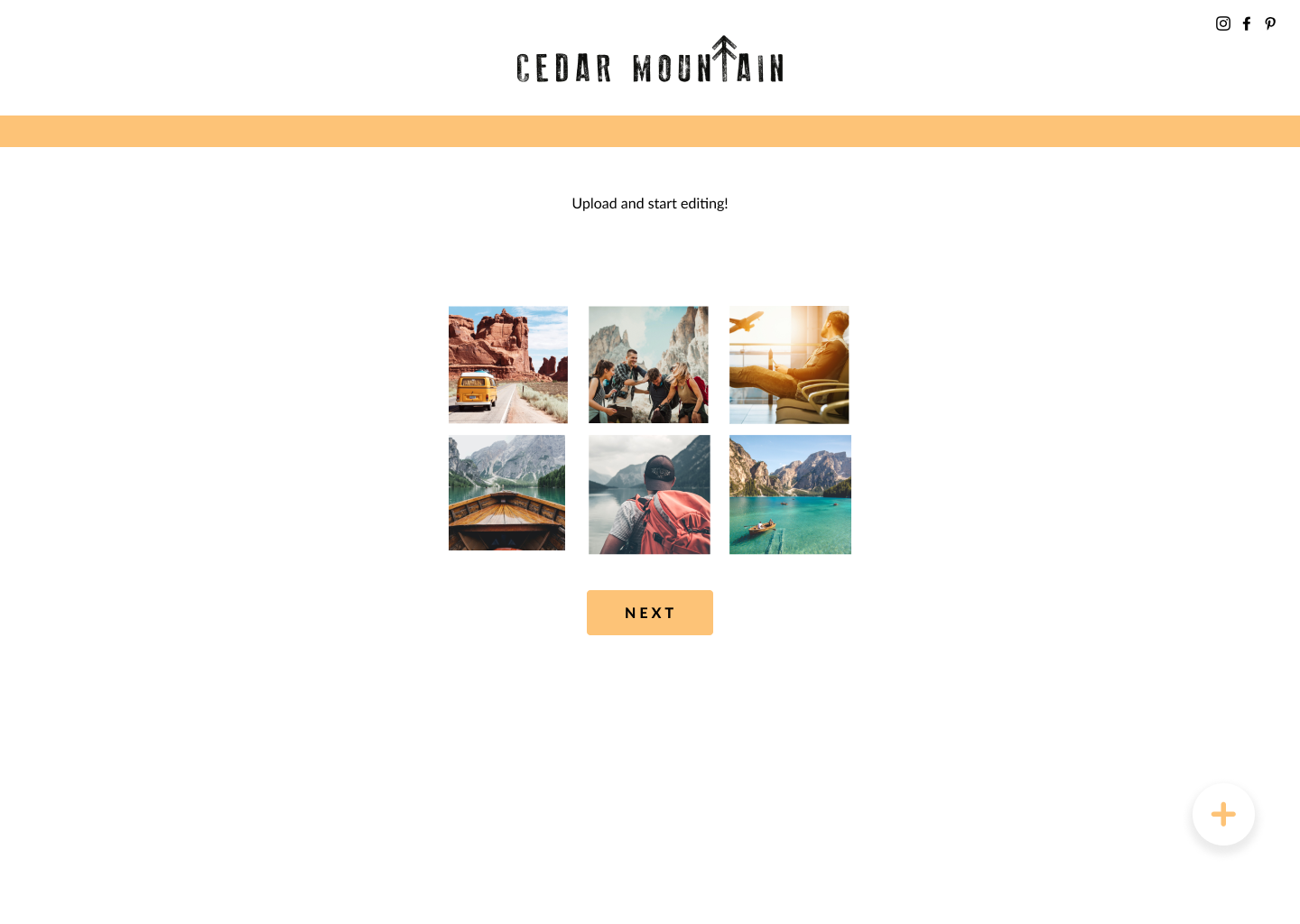
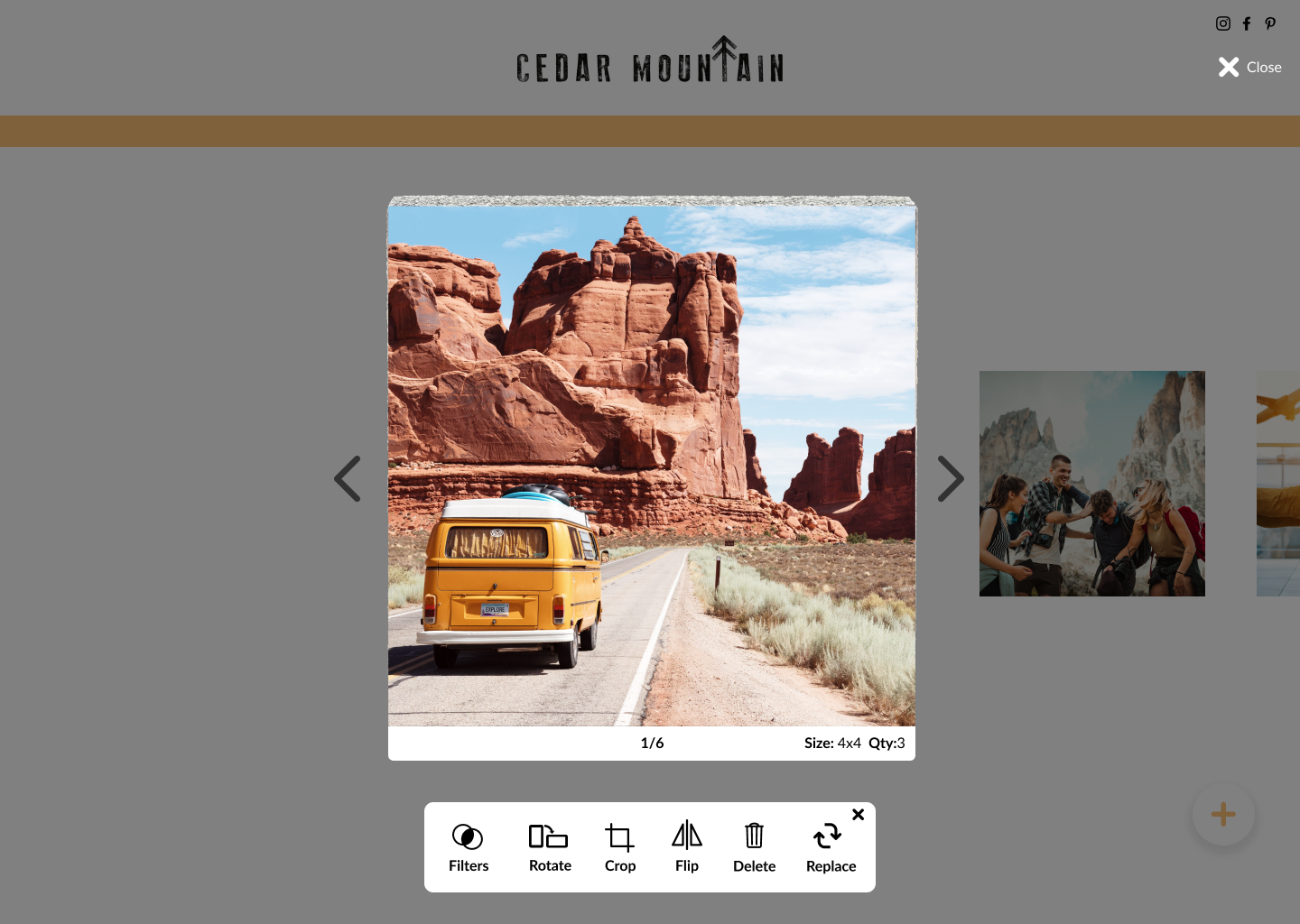

The result: reduced manual back-and-forth, improved operational efficiency, and increased customer confidence through a guided, production-ready digital system.
The digital builder:
- Eliminated unnecessary back-and-forth communication
- Reduced operational overhead
- Enabled full online checkout for custom configurations
- Increased customer autonomy and confidence